
Prevention Programme – First Year Reflections
Building Bridges, Unlocking Potential: The Story of Oasis’ Prevention Programme 2024/25
The Prevention Program is managed by our Community Engagement Lead, a role funded by the InfraRed Foundation.
Every child deserves the chance to flourish. Every young person carries innate potential, even if sometimes their circumstances make it harder for them to see and unlock. This reality is the heartbeat of our Prevention Programme at one of our Oasis Academies, a programme that is building bridges between the challenges young people face and the opportunities they need to thrive.
This year’s end of year report tells a story of hope, struggle, progress, and resilience. It’s not a neat tale tied up with a bow. Real life never is. But it is a story of young people moving in the right direction, of communities rallying around them, and of the power of partnership to change lives.
What is the Prevention Programme?
At its heart, the Prevention Programme is simple:
It spots risks early, wraps care around young people, and open doors to brighter futures. It does this by identifying risk factors such as; domestic violence, unstable housing, poverty, or exposure to exploitation - these challenges are not of a young person’s making. But without the right support, these pressures can impact their development and decision making, spill into school life and lead to exclusion, vulnerability to exploitation, and/or mental health struggles.
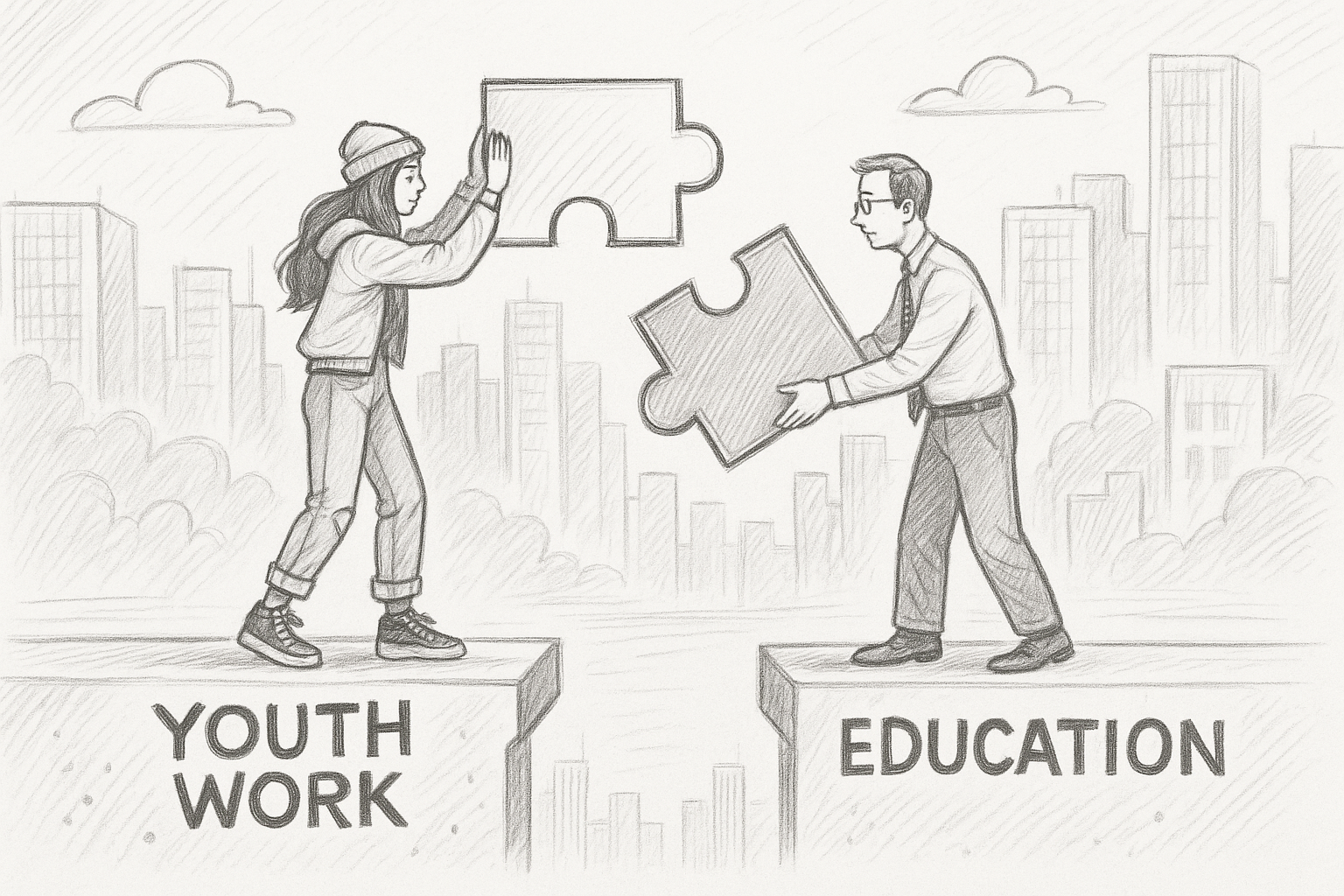
Our approach is to stand in the gap. We work alongside families, schools, and trusted community partners to match young people with interventions that meet their needs. Sometimes that’s music. Sometimes it’s sport. Sometimes it’s mentoring, counselling, or simply a safe adult who will not give up. It’s not about “fixing” young people. It’s about recognising that life is complex, that trauma is real, and that progress takes consistency, love, and time. It’s also about recognising that progress is not linear.
We regularly check-in with all parties (young person, parents, teachers, mentors, programme managers) to enable a 360-reflection process to ensure that the interventions are appropriate and progressing positively. We also keep a close eye on school data such as behaviour points and attendance as well as self-assessment questionaries and feedback from key stakeholders to help us evaluate the impact of each intervention.
Running alongside the interventions, we meet regularly with other local schools and community organisations to share information such as local hotspots for anti-social behaviour and exploitation, and discuss strategies to minimise and de-escalate potential incidents that maybe harmful to our young people.
Highlights from This Year
Respect the Game (RTG) – Finding Voice Through Music
Music has power. Through our partnership with Syrus Consultancy, six Year 9 boys took part in a 16-week programme blending personal development with creative writing and performance.
Over time, the studio became a place of belonging. Lyrics told stories of grief, exploitation, and resilience. Performances drew crowds of 50+. One boy reflected: “RTG has allowed me to take music more seriously… before I just did it for fun.”
Surveys showed that 100% of the boys felt their decision-making improved, while 75% said the programme boosted both their learning and their connection with others. All saw measurable improvements in behaviour and emotional wellbeing. Even through the summer holidays, some kept returning to the studio, choosing creativity over other things.
Reaching Higher – Mentoring, Sport, and Leadership
For five years, Reaching Higher has been one of our closest partners. This year they went further than ever:
11 young people received one-to-one mentoring.
12 per term joined group mentoring (36 throughout the year)
Afterschool boxing and multi-sports ran weekly.
Over 100 Oasis students joined community youth sessions ranging from cooking in the Youth Caff to “Leaders in Training.”
Impact? 100% of mentees said their decision-making improved. One head of year shared: “______ has made a lot of progress and been able to process a lot of traumatic events in her life, due to the 1:1 sessions with her mentor.” These aren’t just statistics, they’re life-changing interventions keeping young people in education, building confidence, and nurturing the next generation of community leaders.
Football Beyond Borders (FBB) – Lessons on and off the Pitch
This was FBB’s first full year at one of our schools. Sixteen Year 9 boys took part in weekly sessions blending classroom learning with football coaching. Teamwork, managing emotions, and organisation were taught on paper, then lived out on the pitch.
The results were clear:
93% of students improved or maintained high attendance.
70% reduced their behaviour points.
100% said they trusted their mentors and enjoyed the sessions.
But beyond numbers, FBB built culture. Boys who were once at risk of exclusion completed their behaviour plans. Families felt supported by mentors who communicated openly. Taking a penalty kick became a metaphor for handling life’s pressures, helping young people find confidence not just in football, but in themselves.
Prevention in Numbers
154 students engaged in targeted interventions across the year (not including mental health interventions).
22 community partners delivered sessions, from short-term workshops to year-long interventions.
41.5% reduction in classroom “send outs” (serious disruptions) across Years 8–11.
27.5% reduction in lower-level classroom incidents.
2.5% increase in school attendance for young people on the Prevention Programme
Dozens of contextual safeguarding meetings brought schools and community organisations together to keep young people safe beyond the school gates.
Each figure tells a bigger story: schools and communities are stronger when they work hand-in-hand.
Stories of Change
Behind every statistic is a face, a name, a personality, and a journey. To protect anonymity, there are limits to what can be shared publicly regarding the journey of some of the young people we’ve supported. However, there are countless examples of young people who have overcome challenges they have been faced with and achieved amazing things despite external risk factors and challenges in their lives. This does not mean that their challenges disappear and no longer exist, but it means they are better equipped to navigate those challenges and keep themselves focused and driven to achieve their potential.
These stories remind us: progress is rarely linear. But with consistency and compassion, transformation is possible.
Challenges We Face
Let’s be honest: this work isn’t easy. Collecting meaningful data is complex, risk factors are caused by deep-rooted social problems such as poverty and violence and are often out of our control. Community partners aren’t always used to the level of evaluation that schools require, and there can be tension between the approach schools take and the approach youth organisations take to working with young people.
And the challenges young people face; poverty, trauma, systemic injustice, don’t just vanish with a mentoring session or a football match. But the Prevention Programme has shown that when ‘trusted adults’ persist, when families, youth workers and schools collaborate, and when young people are given space to belong, hope can break through.
Looking Ahead
As we close this academic year, we’re proud but not complacent. The Prevention Programme is now embedded at one of our Oasis schools, but the journey continues. Every new term brings fresh challenges, and every young person’s path is unique. Thanks to the generosity to our funders InfraRed Foundation, and the tireless dedication of staff, parents, mentors, and community partners, we are building a sustainable model, one that fulfils the very best evidence-based recommendations for reducing youth violence and exclusion and increasing opportunity and empowerment.
Our vision is simple yet profound: a school and community where every child feels safe, known, and supported; where education and youth work stand side by side; and where no young person is written off.
As one student said, reflecting on her visit to Downing Street: “I’ve always been told that as a black girl from South London, places like this aren’t for me. But I’m here.”
That’s what the Prevention Programme is about; creating spaces and opportunities where every child can say, with confidence, “I’m here.”